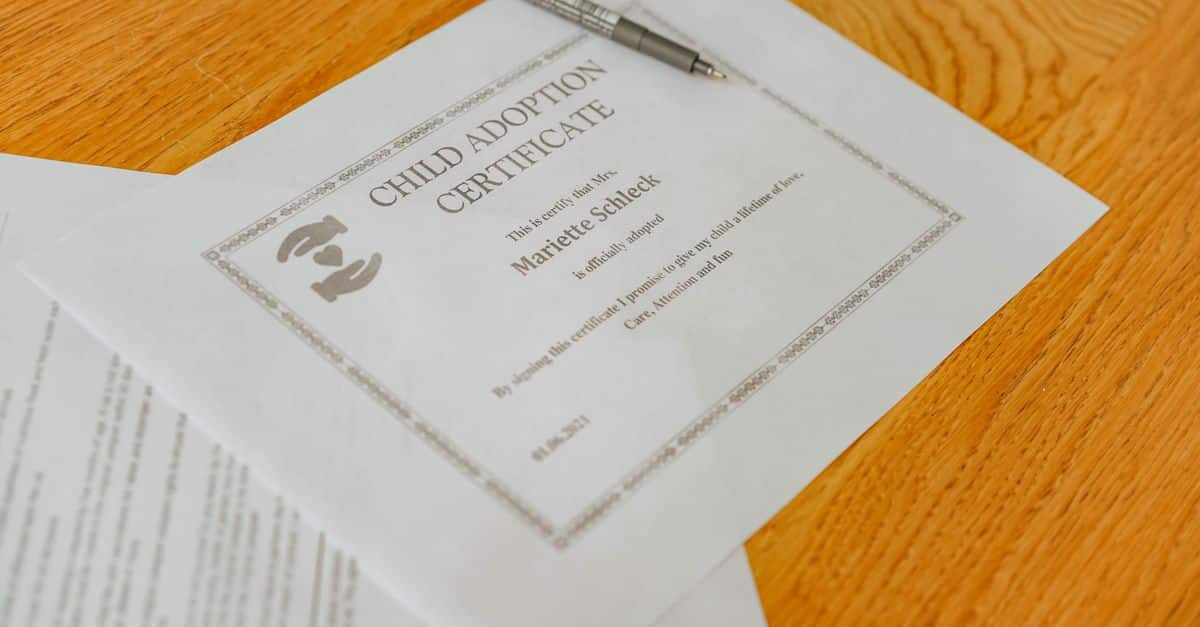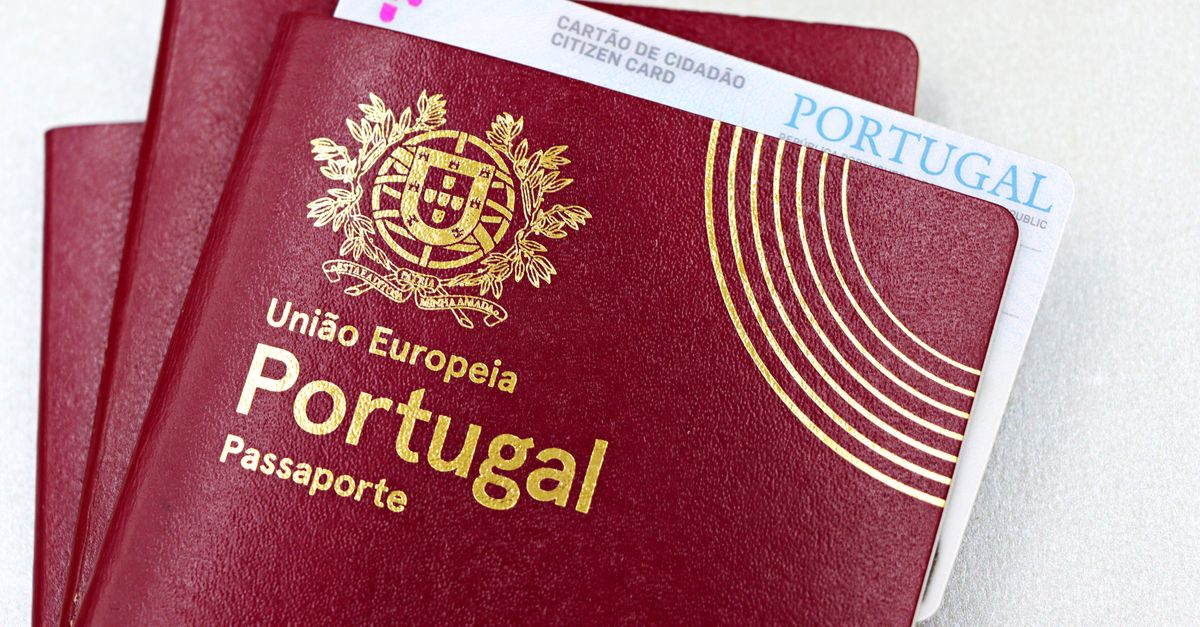

A family reunification application with AIMA can stall over a birth certificate without certified translation, or a marriage certificate translated without the correct signature. This is one of the most common mistakes in reunification cases, and it adds months to a process that families need resolved quickly.
AIMA (Agência para a Integração, Migrações e Asilo, which replaced SEF in October 2023) requires that every foreign-issued document be accompanied by a Portuguese translation when the original is not in Portuguese. For most civil status and family relationship documents, that translation must be certified.
Which documents need certified translation
A family reunification application with AIMA typically requires certified translation of the following documents, when issued outside Portugal:
- Birth certificate of the applicant and of the family members being reunited
- Marriage certificate or equivalent proof of civil partnership
- Death certificate, where relevant (widowhood, dependency of an orphaned minor)
- Statements of kinship issued by foreign authorities
- Criminal record certificate from the country of origin, where required
- Proof of means of subsistence or accommodation, if issued in a foreign language
Every family has a different composition, so the exact list of required documents depends on the family relationship being invoked and the nationality of the people involved.
Certified translation, not sworn translation
There is no sworn translation in Portugal. The correct term for documents submitted to AIMA is certified translation: the translator declares before a lawyer registered with the Ordem dos Advogados, or before a notary, that the translation is faithful to the original, and both sign the certificate.
This differs from what happens in Brazil or Spain, where sworn translators are directly recognised by the state to produce translations with legal effect. If the applicant holds documents issued in those countries, it is worth checking whether they were already translated by a local sworn translator, in which case the translation may only need legalisation, not repeating.
When the original document comes from a country outside the Hague Apostille Convention, authentication follows a different path: legalisation by that country's ministry of foreign affairs, followed by legalisation at the Portuguese consulate. When the document comes from a country within the Convention, the apostille replaces that chain of legalisations. For documents issued in Portugal and destined for use abroad, the apostille is issued by the Procuradoria-Geral da República (PGR), regardless of document type.
Applicants handling reunification cases with family members in Angola need particular care. Angola is not a party to the Hague Apostille Convention, so Angolan documents destined for Portugal follow classic consular legalisation, not the apostille route.
Mistakes that delay AIMA applications
Most delays in reunification cases do not come from the translation itself, but from details in the certification process:
- Translation without certification, when the document requires certification rather than a simple translation
- Inconsistent transliteration of names across different documents in the same case, particularly for names originally in a non-Latin script
- Missing apostille or legalisation on the original document before translation, when the destination requires that prior authentication
- Partial translation of excerpts, when AIMA requires the full document translated, including stamps and marginal notes
- Outdated certificates, issued beyond the validity period accepted for this type of application
A well-prepared reunification case treats translation as part of the document strategy from the start, not as the last step before submission. This matters even more when the applicant holds documents from more than one country, each with different civil registry systems and issuance timelines.
How M21Global supports family reunification cases
M21Global has worked for more than 20 years on certified translation of civil status documents for AIMA applications, including birth, marriage and death certificates, kinship statements and criminal record certificates from dozens of countries of origin. The team checks, case by case, whether a document needs an apostille or consular legalisation before translation, preventing the application from being returned for missing authentication.
For broader legal needs, such as expatriate employment contracts or court documentation, M21Global provides certified legal translation services tailored to each administrative or judicial process, including cases involving court documents and contracts.
Request a quote for the certified translation of your family reunification documents. M21Global replies with a proposal within three business hours.
Related Services
Request a free legal translation quote
- Request a free legal translation quote
- Certified Legal Translation Services
- Sworn Translation For Court Documents
- Legal Translation Services For Contracts
Frequently Asked Questions
Does AIMA accept simple translation for family reunification documents?
Not for most civil status documents. Birth, marriage and death certificates issued abroad typically require certified translation, with a statement of accuracy signed before a lawyer or notary.
Should the document be apostilled before or after translation?
As a general rule, the apostille or legalisation is applied to the original document before translation. The exact order can vary by country of origin, so it is worth confirming with the issuing authority or the local Portuguese consulate.
Do Angolan documents need an apostille for AIMA?
No. Angola is not a party to the Hague Apostille Convention, so Angolan documents destined for Portugal follow classic consular legalisation rather than the apostille route.
How long does certified translation of a certificate take?
Timing depends on document volume, language pair, and whether prior legalisation is needed. M21Global sends a quote with a defined timeline within three business hours of the request.
What is AIMA and which body did it replace?
AIMA (Agência para a Integração, Migrações e Asilo) replaced SEF in October 2023, taking over the management of immigration processes, including family reunification applications.