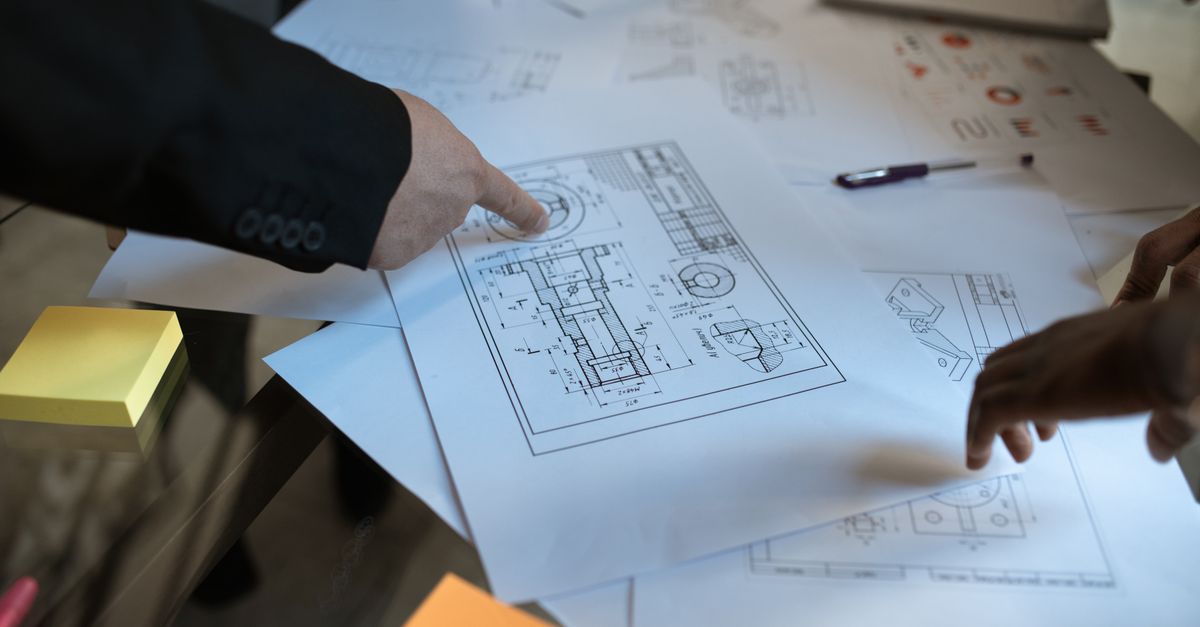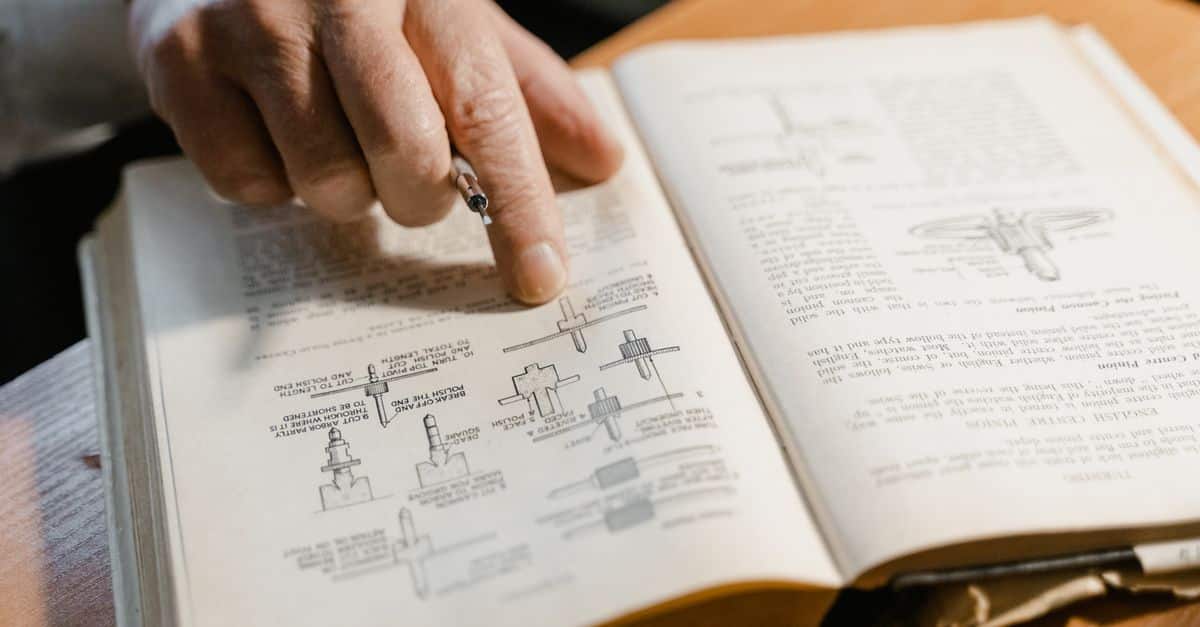
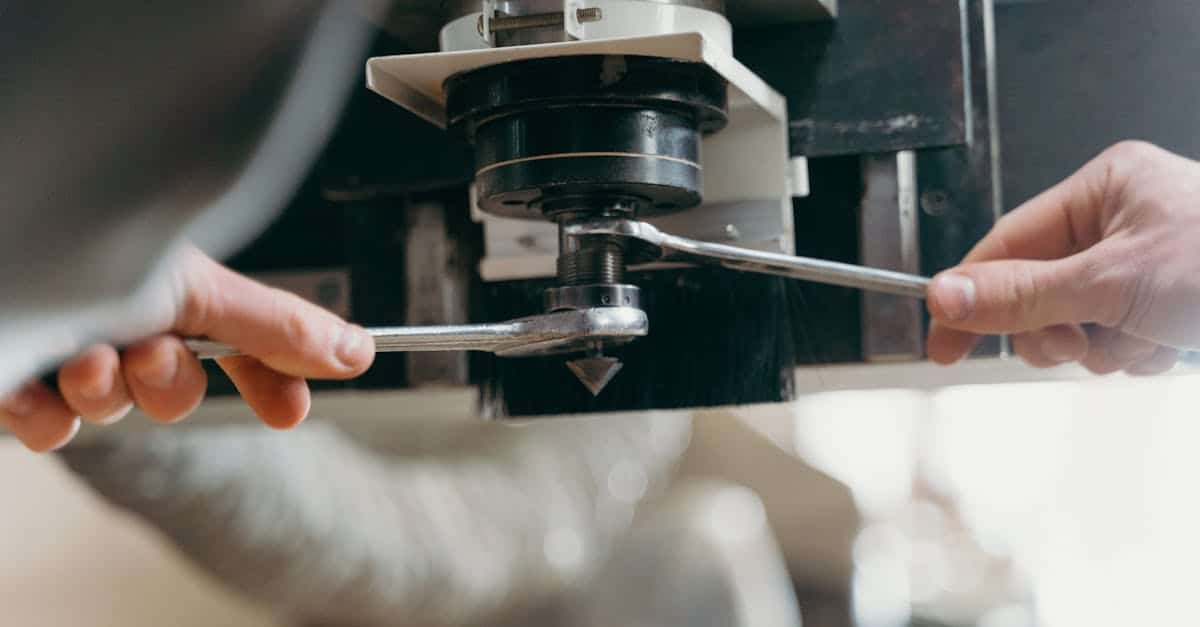
A manufacturer that exports industrial machinery or commissions equipment installation abroad has a practical — and often legal — obligation to supply technical documentation in the end user's language. Maintenance manuals, in particular, contain safety procedures, torque specifications, calibration sequences, and fault-diagnosis routines where ambiguity is not an option. Translating these documents into English or Spanish is not an administrative step: it is a condition of safe operation and regulatory compliance.
Why industrial maintenance manuals require specialist translation
A maintenance manual for industrial machinery is not a general-purpose document. It draws on domain-specific terminology — hydraulic and pneumatic systems, CNC machinery, PLCs, drive systems, sensor arrays — that varies across manufacturers, standards bodies, and linguistic regions. Translating "aperto de torque" or "presión de trabajo" accurately into British technical English or into industrial Spanish requires a translator with verifiable experience or training in the relevant engineering discipline.
The main technical challenges include:
- Proprietary vs. standardised terminology: manufacturers frequently use branded or proprietary designations alongside terms defined by ISO, IEC, or DIN standards. The translation must distinguish and preserve both.
- Units, tolerances, and numerical values: SI units, tolerance notation, and torque or pressure specifications must be reproduced exactly. Conversion errors in a maintenance context can result in equipment damage or personal injury.
- Safety notices and warnings: the Machinery Directive 2006/42/EC requires that safety instructions be translated accurately and formatted consistently — DANGER, WARNING, CAUTION — in line with ANSI Z535 or ISO 3864. These conventions are not optional.
- Cross-document consistency: a 200-page manual may reference the same component dozens of times under different headings. Without a client-specific glossary and translation memory, terminological inconsistency undermines the document's usability and safety value.
English and Spanish variants: the difference matters in a workshop
For technical documentation, the target language is not a monolith. Each variant carries operational implications.
Technical English (EN-GB / EN-US): industrial procedural writing in English typically uses the passive voice for sequential steps ("The filter is to be replaced every 500 hours") and the imperative for safety instructions ("Do not operate without guards in place"). Standard abbreviations — RPM, PSI, kPa, N·m — must be used consistently. The choice between British and American English is determined by the target market: UK, Ireland, anglophone African markets, or North America each have distinct conventions.
Industrial Spanish (ES-ES / ES-LATAM): Spanish technical vocabulary diverges significantly between European and Latin American variants. Terms for common tools, fasteners, couplings, and operational procedures differ between Spain, Mexico, Chile, and Colombia. A maintenance technician working from documentation written in the wrong regional variant may misidentify components or misapply procedures — a risk that cannot be absorbed by a note in the introduction.
Specifying the correct target variant from the outset is not a preference: it is a technical requirement.
Recommended process: from source file to validated delivery
The translation of industrial technical documentation follows a structured workflow designed to control quality at every stage.
- Document analysis: identification of manual type (installation, operation, preventive maintenance, corrective maintenance), word count, file formats (.docx, .pdf, .xml, InDesign, FrameMaker) and target language variant.
- Glossary development or update: the technical glossary is built from manufacturer documentation, applicable standards, and client preferences. For ongoing relationships, it is maintained and versioned.
- Translation by a domain-qualified translator: the translator holds verifiable experience in mechanical, electromechanical, or industrial automation engineering appropriate to the manual's content.
- TEP review (Translation, Editing, Proofreading): a second qualified specialist reviews the translation for terminological accuracy, consistency, register, and compliance with safety-notice formatting conventions.
- Formatting and delivery: the translated document is returned in the original format or an agreed alternative, preserving the structure, tables, warning boxes, and diagrams of the source.
ISO 17100:2015 certification means this process is audited and fully documented — a requirement when the manual forms part of mandatory technical documentation for CE marking or client quality audits.
M21Global: industrial technical translation for English and Spanish markets
M21Global has been translating industrial technical documentation for over 20 years, with more than 300 million words delivered across engineering, manufacturing, and industrial equipment projects. ISO 17100:2015 certification by Bureau Veritas covers the end-to-end translation process, including translator qualification and documented quality control. Maintenance manual projects benefit from client-specific technical glossaries, accumulated translation memory, and translators with proven experience in mechanical, electromechanical, and automation sectors. Request a quote for your maintenance manual translation — provide the document volume, file format, and target language variants, and receive a detailed proposal.
Frequently Asked Questions
Is it a legal requirement to translate industrial maintenance manuals?
Generally, yes. The Machinery Directive 2006/42/EC requires that technical documentation — including safety and maintenance instructions — be provided in the official language of the country where the equipment is placed into service. Non-compliance can invalidate CE marking and affect the manufacturer's liability.
What is the difference between technical translation and general translation for industrial manuals?
Technical translation requires command of domain-specific terminology (ISO, IEC, DIN standards), familiarity with safety-notice formatting conventions, and direct experience with the systems being described. A general translator may produce linguistically acceptable text that is terminologically imprecise — a meaningful risk in an operational maintenance context.
What information is needed to obtain a quote for maintenance manual translation?
Providing the source document or a representative sample, the target languages and regional variants, the required delivery format, and the deadline is sufficient to generate a detailed quotation. Word volume determines the base cost; technical complexity and language pair are the main adjusting factors.
Does M21Global maintain consistent terminology across ongoing manual projects?
Yes. A client-specific technical glossary and translation memory are created and updated throughout the project relationship, ensuring terminological consistency across manual revisions, product updates, and supplementary documentation.
Which Spanish variant should be used for maintenance manuals — European or Latin American?
The variant should match the end market. European Spanish and Latin American Spanish diverge in vocabulary for tools, components, and operational procedures in ways that are operationally significant for maintenance technicians. Specifying the target country or region at the outset ensures the correct variant is used throughout.